
English · By MundoGood · Sources checked October 12, 2026
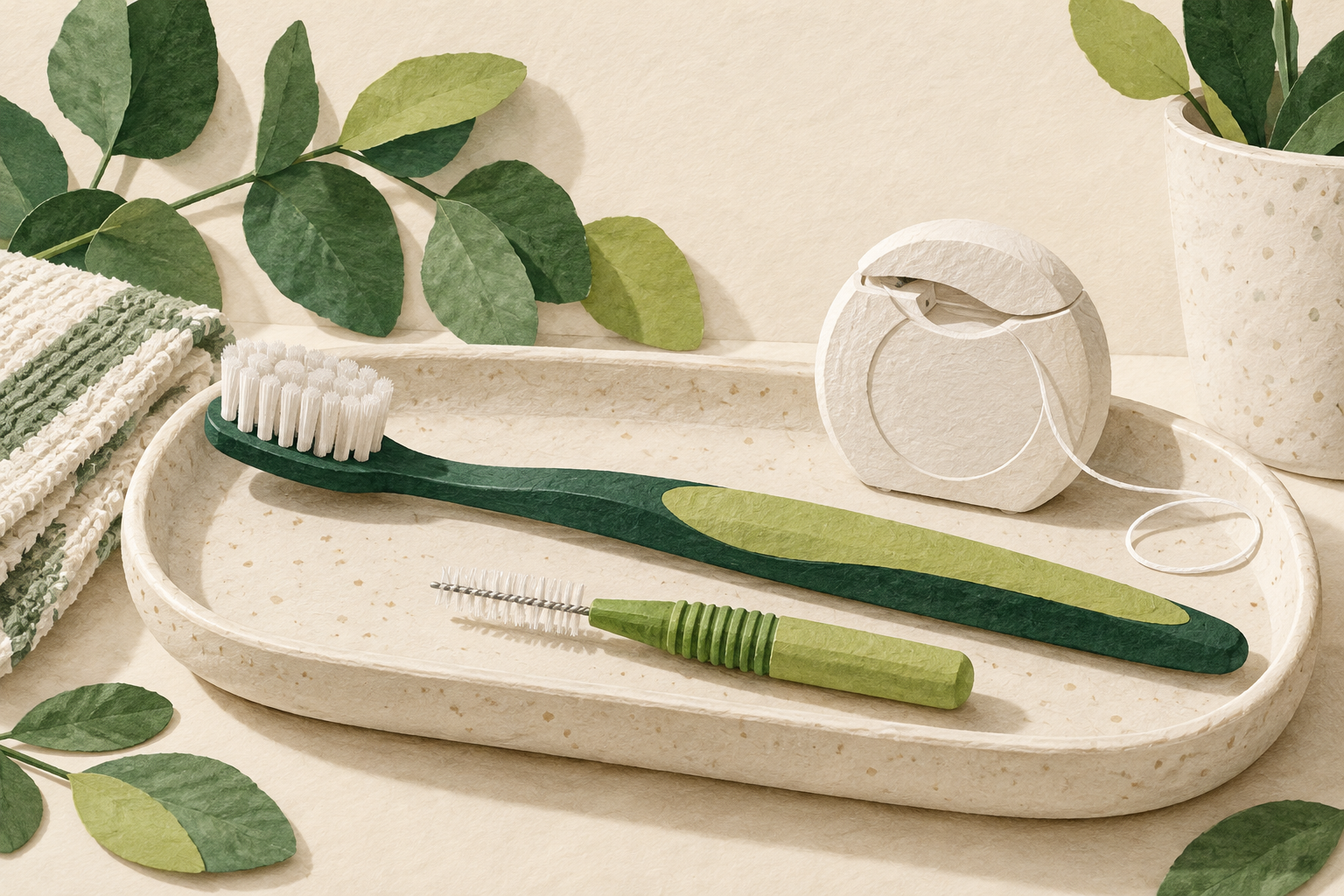
AI-generated conceptual illustration; not a medical diagnostic image.
Seeing blood on a toothbrush can tempt you to avoid the sore area. With plaque-related gingivitis, however, leaving plaque undisturbed allows the irritation to continue. The better response is gentle, effective cleaning and a dental assessment that confirms why the gums are bleeding.
Gingivitis describes gum inflammation without the loss of tooth-supporting attachment that defines periodontitis. Plaque-related gingivitis can usually be reversed. Established damage from periodontitis requires a different treatment and maintenance plan, so “my gums bleed” is not enough information to choose care.
What plaque does, and why tartar matters
Plaque is a bacterial film that repeatedly forms on teeth. When it remains near the gum margin, the body’s inflammatory response can produce swelling, tenderness, and bleeding. Plaque can also harden into tartar, which cannot be brushed away at home. A dental professional removes those deposits.
Risk is not simply a measure of effort at brushing. Tobacco use, diabetes, hormonal changes, some medicines, and other health factors can influence gum health. The National Institute of Dental and Craniofacial Research explains why an examination and professional cleaning may be needed alongside home care. Tell the dental team about your health conditions and medicines so they can interpret the findings.
Start with a dental check, not a whitening product
Book a dental appointment for recurrent bleeding, swollen gums, persistent bad breath, or a bad taste. The clinician can examine the gums, assess deposits and gum pockets, and decide whether further tests are needed. Pain is not a reliable measure of severity: waiting until chewing hurts can delay useful treatment.
Ask for a demonstration of the areas you are missing. General advice to “clean better” is less useful than knowing which side of a back tooth or which gap needs a different technique. If cost or access is difficult, tell the practice what symptoms you have and ask about assessment options rather than substituting repeated mouthwash purchases for an examination.
Make daily cleaning gentle and complete
Brush with fluoride toothpaste at least twice daily, reaching the gum margin without forceful scrubbing. Spit out after brushing instead of immediately rinsing away the toothpaste. Clean between teeth daily using a device that fits the spaces and that you can handle comfortably. The NHS gum-disease guidance combines these steps with professional care and tobacco cessation.
A hygienist can help choose floss, an interdental brush, or another aid. Do not force a brush into a gap that is too tight. Ask for adaptations if arthritis, limited hand movement, orthodontic appliances, or dental restorations make cleaning awkward. The most elaborate device is not necessarily the best choice; a suitable tool used consistently is the practical goal.
There is research uncertainty about which interdental device wins in every situation. A Cochrane review found that floss or interdental brushes added to brushing may reduce gingivitis, but many studies were short and evidence certainty was limited. Those results should not be stretched into a guarantee of preventing future tooth loss. They support individualized cleaning advice rather than abandoning cleaning between teeth.
Where mouthwash fits
Mouthwash does not mechanically remove established tartar and cannot replace brushing, interdental cleaning, or indicated dental treatment. A dentist may recommend a medicated rinse for a specific purpose. Ask why it is being used, how long the course should last, and what to do if it causes irritation.
A Cochrane review of chlorhexidine mouthrinse found substantial plaque reduction, but the average improvement in mild gingivitis was small. Staining, altered taste, and mouth irritation were reported. Evidence was insufficient to make confident conclusions about moderate or severe gum inflammation. A cleaner-feeling mouth is therefore not proof that underlying disease has resolved.
Chlorhexidine is generally a short-term treatment. Formulations differ, and dental products are not interchangeable with skin antiseptics. Some toothpaste ingredients can interfere with its activity, so ask a pharmacist about timing and follow the product instructions. Do not swallow the rinse or use a product to which you have previously reacted. NHS medicine information provides product-specific context through its linked guidance.
When bleeding gums need faster help
Seek urgent dental care for very painful swollen gums, loose adult teeth, pus, a new mouth lump, or an ulcer or red patch that concerns you. Facial swelling, fever, or worsening difficulty opening the mouth can indicate infection. Difficulty breathing or swallowing, extensive mouth swelling, or swelling around the eye needs emergency care. A dental abscess will not reliably resolve through rinses alone.
If you take a medicine that affects bleeding, tell the dentist, but do not stop it yourself. Persistent or unexplained bleeding also deserves clinical assessment rather than assuming it is purely a brushing problem.
Judge progress by an examination as well as symptoms
Less bleeding is encouraging, but keep the review plan agreed with your dental team. Ask whether the diagnosis is gingivitis or periodontitis, which deposits were removed, and what the next appointment is meant to check. The long-term goal is a comfortable, repeatable routine and early action when symptoms return, rather than a promise that one cleaning or bottle of rinse permanently cures gum disease.
Sources and evidence notes
Sources accessed October 12, 2026. This is general educational information, not a personal diagnosis or treatment plan.
- NIDCR: Periodontal gum disease
- NHS: Gum disease
- Cochrane: Home interdental cleaning devices
- Cochrane: Chlorhexidine mouthrinse
- NHS: How and when to use chlorhexidine
- NHS: Dental abscess
Editorial disclosure: AI assisted with research, writing and the conceptual illustration. This is general health information, not personalized medical advice.