
English · By MundoGood · October 9, 2026
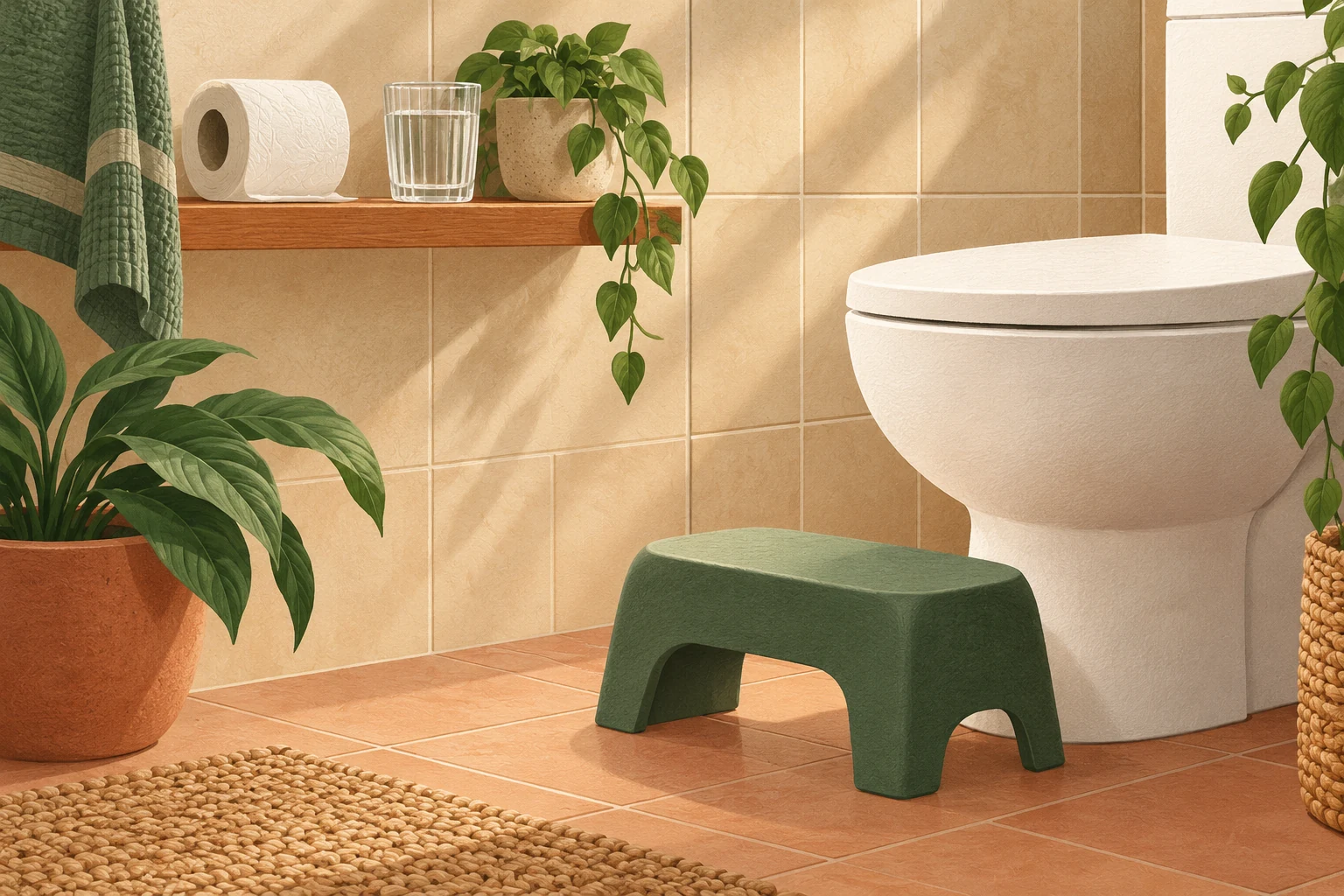
AI-generated conceptual illustration; not a clinical photograph or diagnostic image.
Relief is possible, but confirm the cause
Hemorrhoids, also called piles, can cause itching, swelling and discomfort around the anus. Internal hemorrhoids may bleed or protrude; external ones may form a tender lump. A blood clot in an external hemorrhoid can cause sudden substantial pain. These descriptions explain possibilities, not a way to diagnose yourself.
Not every anal symptom is a hemorrhoid. Bleeding can also come from a fissure, inflammation or disease higher in the bowel. Arrange medical assessment for rectal bleeding, particularly when it is new or unexplained. A previous hemorrhoid diagnosis does not establish the cause of a new episode. NIDDK: hemorrhoid symptoms and warning signs
When to get urgent help
Heavy or nonstop bleeding, large clots, faintness or severe pain needs emergency assessment. Seek urgent clinical advice for fever, feeling markedly unwell, or pus near the anus. Do not assume that a painful swollen area with fever is an ordinary hemorrhoid.
Tell the clinician about blood-thinning medicines, changes in bowel habits, unexplained weight loss and any relevant family history. These details help determine what evaluation is needed. Even painless bleeding merits attention. NHS: when piles symptoms need urgent care
The ASCRS guideline emphasizes that rectal bleeding should not automatically be attributed to hemorrhoids. Some people need examination of the colon; a colonoscopy is not automatically necessary for everyone. Continued bleeding after apparently successful hemorrhoid treatment needs further investigation. ASCRS 2024 clinical guideline
Reduce pressure and irritation
A useful home-care aim is to pass stool without prolonged pushing. Respond to the urge to use the toilet and avoid lingering there with a phone or book. Both hard stools and frequent loose stools can aggravate symptoms.
Include fiber-containing foods in meals and drink an appropriate amount for your health circumstances. If a clinician has set a fluid restriction, do not override it. A pharmacist can help decide whether a fiber supplement or stool-softening treatment is suitable. The goal is comfortable, formed stool, not repeated urgent bowel movements. NIDDK: home treatment
For comfort, try a warm bath or a cold pack wrapped in cloth. Clean gently and pat dry instead of scrubbing. These measures can ease irritation; they do not establish why bleeding or pain is happening. NHS: practical self-care
What the fiber evidence actually shows
A Cochrane systematic review of seven randomized trials involving 378 participants found that fiber improved overall hemorrhoid symptoms and bleeding. Results for pain, itching and prolapse were less clear. The review was published in 2005 and the studies were small, with limitations including possible publication bias; it should not be presented as proof that every symptom will disappear.
The 2024 ASCRS guideline still supports dietary and bowel-habit changes as first-line care. This is a useful example of aligning research with clinical guidance without promising a cure. Fiber can support easier bowel movements, but a persistently prolapsing hemorrhoid may still need a different treatment. Cochrane: fiber for hemorrhoid symptoms; ASCRS recommendations
Use symptom products cautiously
Over-the-counter creams or suppositories may ease mild itching, swelling or discomfort for a short time. Check whether the product is intended for external or internal use, and do not improvise with another formulation. Stop and seek advice if a product causes a rash or worsening irritation. Persistent symptoms after a week of home treatment deserve assessment. NIDDK: limits of over-the-counter products
Hydrocortisone products should not be used for longer than seven days without clinical advice. Recurrent symptoms are a reason to reassess the cause rather than repeatedly restarting treatment. Ask a pharmacist about suitability during pregnancy and alongside other medicines. NHS: hydrocortisone use and duration
Codeine-containing painkillers can worsen constipation, and the NHS advises against ibuprofen when piles are bleeding. Do not independently stop prescribed aspirin or an anticoagulant: contact the prescribing clinician about bleeding and safe pain relief. NHS: medicine cautions
When a procedure becomes an option
If conservative care does not control confirmed hemorrhoids, a clinician may discuss an office procedure for internal hemorrhoids, such as rubber-band ligation, injection treatment or infrared coagulation. Banding must never be attempted at home.
Surgery may be appropriate for selected large external hemorrhoids or combined internal and external disease. The decision depends on anatomy, symptoms, earlier treatment and personal priorities. Blood thinners are especially relevant when planning a procedure; any temporary medicine changes require the treating team. ASCRS: procedure selection and bleeding considerations; NIDDK: clinician-performed procedures
Set realistic expectations
A mild flare may settle within several days, but recurring symptoms are possible even after treatment. There is no single recovery timeline for every type or procedure. Ask what discomfort and bleeding are expected, when normal activities can resume, and which symptoms require an urgent call. Improvement should mean more comfortable daily life, not simply postponing evaluation of repeated bleeding.
Sources checked October 9, 2026. This guide offers general education, not a diagnosis, prescription or individualized treatment plan.
Editorial disclosure: AI assisted with research, writing and the conceptual illustration. This is general health information, not personalized medical advice.